 Alene Laney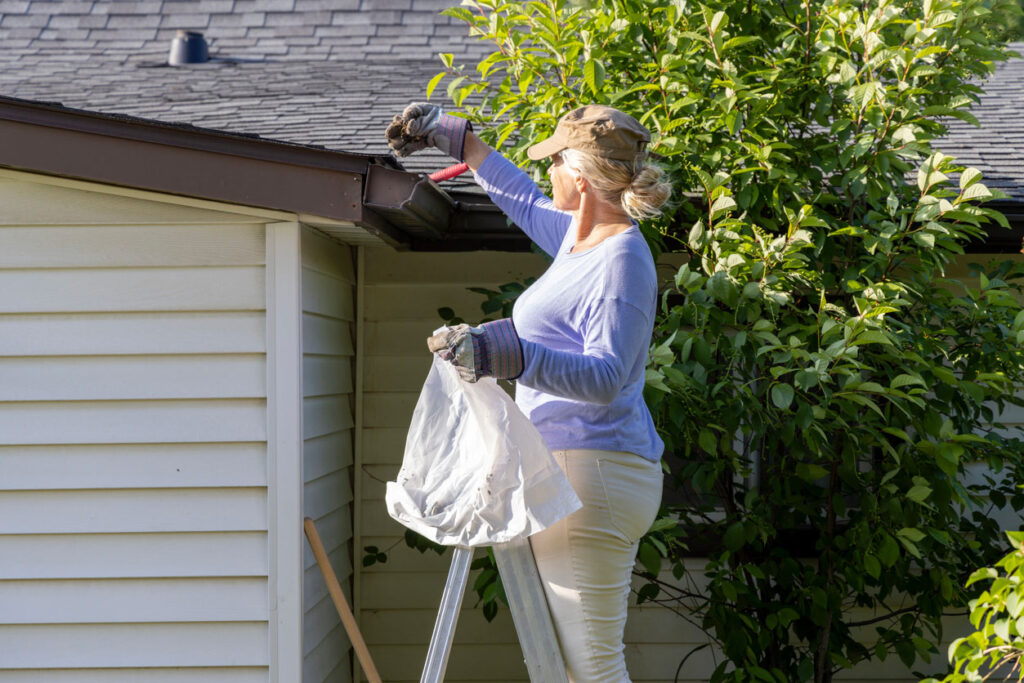
Key Takeaways
- Maintaining your home can bring beauty, value, and enjoyment. These tips can help you get started on home maintenance projects for spring.
- Some projects are great for DIY, while others require a professional.
- For larger projects, you may want to consider using home equity to fund home maintenance
Spring is a great time to freshen up your home and address any wear and tear that occurred during the winter. A little attention, time, and money can provide value and help ensure that your home is comfortable and continues to run efficiently.
Where should you start? We’ve put together a guide on home maintenance projects to consider as you revitalize your home this spring.
Indoor Spring Maintenance
If you’re ready to tackle inside your home, here are a few helpful ideas for decluttering, organizing, spring cleaning, and maintaining the systems of your home.
Declutter and Organize
Decluttering is something that can be applied to nearly every room in your home – whether that means throwing away expired food in the fridge, clearing old clothes out the closet or donating little used sporting equipment in the garage. Pull out items that you no longer want, are expired, or don’t serve you anymore.
Re-examining your “stuff” also presents the opportunity to get more organized. Create systems for using and storing your things. Things you don’t use often can be stored on higher shelves or in other storage areas. The important thing is to have a place for everything.
Deep cleaning guide
Even though you likely clean your home regularly, there are some tasks you should add to the list a few times a year to keep appliances and other key systems operating smoothly.
- Dishwasher: Remove the filter, clean it, and replace it. Wipe down or steam clean the door gaskets. Run a wash cycle with vinegar or a dishwasher cleaner.
- Garbage disposal: Unplug the disposal before you start to clean it. Scrub with soap and hot water. Then, pour ½ cup of baking soda with ½ cup vinegar in the disposal. Let it sit for 15 minutes before scrubbing again. Flush with hot water, followed by a salt and ice mixture to dislodge any remaining debris.
- Fridge: Unplug the fridge and clean the air filter. Change the water filter if needed.
- Carpet and upholstery cleaners: Schedule a professional carpet and upholstery cleaning.
- Clean ducts: Schedule a professional HVAC cleaning for your ductwork. Clean lint in the dryer exhaust duct from the exterior of your home.
- Washer and dryer: Check your washing machine hoses for any leaks or fraying to prevent future issues. If you haven’t been washing your machine every month or every 30 cycles, now is the time to catch up. Refer to the manufacturer’s instructions for how to best clean the machine. You dryer also needs attention – clean the drum and vacuum the the lint trap to remove debris that may have built up over time. You can also run the dryer on empty for 15 minutes or so to remove dust.
HVAC maintenance
Heating and air conditioning are key systems in your home. An annual inspection of your HVAC system can help it run optimally. Schedule a professional pre-season check-up and check your thermostat settings.
Some tasks you may consider doing yourself include:
- Cleaning the outdoor condenser unit
- Replacing the air filter
- Sealing and insulating ductwork
Inspect and update home security
Home security systems may need testing and updating. Test all sensors, look for frayed wires and loose connections, check the batteries, and run system diagnostics. Make sure the camera lenses are clean and aren’t covered. If needed, update your home security system. You might even see a discount on your homeowners’ insurance policy.
Outdoor Maintenance Checklist
Outside, there are a few things to look for on your home maintenance list, including your lawn, landscaping, pest control, roof and gutters, and other surfaces.
Lawn care tips
- Remove debris and garbage: After winter, you’ll find a lot of tree limbs, leaves, and other debris. Use a lawn rake to rake out dead grass and weeds.
- Mow high: In the spring, mowing high can encourage root growth.
- Apply fertilizer and weed control: A fertilizer product encourages growth and weed control after winter. Buy the right type for your lawn. Spot treat for weeds.
- Aerating: Every few years, you’ll want to aerate your lawn to help water, fertilizer, and air get to the roots of your grass.
- Patch and thicken: You may want to seed thin spots in your lawn.
Landscaping projects
- Pathways: Clear pathways of weeds and debris. Repair cracks in concrete, replace broken pavers, and repair hardscaping.
- Wood decks and fences: Look for rot, remove screws and nails, replace rotted portions, and re-stain. Consider hiring a power washer to gently restore wood.
- Improve drainage: If you’ve been having water problems around your foundation, you may want to consider regrading for proper water drainage.
- Assess damage to irrigation lines: You’ll want to test and assess damage to your irrigation system so you can make repairs. Look for clogged or broken sprinkler heads and valves.
Pest control strategies
- Inspect for cracks and new pest activity: Caulk cracks around cabinets and baseboards to keep pests out.
- Remove sources that attract insects: Insects are attracted to food, water, and shelter. Keep food sealed in plastic and glass containers. Trim trees and plants that bring in undesirable pests. Remove clutter where pests can hide.
- Hire a pest control company: Many pest control companies would love your business and likely save you time.
Check roof and gutters
- Trim branches: Branches over your roof can cause significant damage during a storm. Trimming them at least six feet away from the house can help prevent damage.
- Inspect for loose shingles, mold, moss, algae: Look for curling or discolored shingles, cracks, gaps, and missing shingles. Call a roofing professional if you need a repair.
- Clear away debris: Clogged gutters can result in overflow, which can get into your basement, exterior siding, window trim, and foundation. Clear leaves and dirt from gutters.
- Look for signs of water damage and leaks: Even small leaks can cause significant damage. Look inside for discolored spots on the ceiling.
Spring Home Improvement Projects
If you’re feeling like your home needs an upgrade, you may want to try your hand at a few home improvement projects.
DIY projects you can handle
DIY projects can be rewarding, but some are better DIY projects than others. You may want to start with:
- Painting: With patience and the right materials, you can get great results from painting yourself. Be sure to protect your floors with drop cloths and strategic taping.
- Trim and wallpaper: Installing picture frame molding or board and batten can be rewarding DIY projects. Wallpaper can also be a DIY project to add interest and detail to a space.
- Drywall repair: With a little practice, you can learn to repair your own drywall. Drywall is inexpensive, and if you make a mistake, you can sand it away and start over.
- Tile a backsplash: With the ever-increasing options you have for installing backsplashes, this one might be a good one to try for DIYers. You can work with mortar and the old-fashioned tiling[1] method, or look for a peel-and-stick
- Replace caulk or grout: Remove the old caulk, clean, tape, and re-do the caulk around the surfaces of your home, such as bathtubs, sinks, and even windows. Allow it to cure.
- Install new cabinet hardware: You can update the look of your cabinets with new knobs or pulls. Knobs with a single hole are easy to replace with a new style. Pulls If you don’t want to do any drilling, filling, or painting, order a pull or knob the same size as the ones already installed.
- Replacing faucets: Updating your bathroom or kitchen faucets can add value and style to your home. Watch a tutorial video to help you understand how to complete the project.
When to hire a professional
You should hire a professional wherever possible. You may have complex projects that require a licensed contractor or tradesperson, including:
- Electrical, plumbing, and HVAC: Structural changes all require professionals. If you want to alter your plumbing layout, add cooling or heating, or install electrical elements, schedule a pro.
- Addition or basement finishing: Larger projects may need plans and permits to make it happen. A good contractor can help the process run more smoothly and ensure the project is completed on time and budget.
- Deck, pool, patio, hardscaping, or concrete work: If you’re adding or repairing costly structural elements, you may want to hire a professional to ensure it gets done right.
How to Pay for Home Maintenance
Cash is the ideal method to pay for home maintenance. However, some projects become much bigger than anticipated, and you may need financing. Home equity can be a more affordable option for paying for home maintenance than charging expenses on a credit card.
Using home equity to fund maintenance
- Home equity loan: A home equity loan uses your home’s equity as loan collateral to secure a lower interest rate. You receive a lump sum upfront, typically with a fixed interest rate and immediate repayment terms.
- HELOC: A home equity line of credit (HELOC) also uses your home’s equity as loan collateral to secure a lower interest rate, but the borrowing and repayment plans are more flexible. It’s more like a credit card where you borrow what you need when you need it, and repay it at a future date.
- Cash-out refi: A cash-out refinance replaces your old mortgage with a new mortgage and refunds available equity. It offers the simplicity of a single payment, but taking on more debt over a 30-year period will likely cost you more, even if the interest rate is low.
Options without monthly payments
- HEA/HEI: A home equity agreement (HEA), like one from Unlock, exchanges a portion of your home’s future equity for cash now. There are no monthly payments, but you will need to settle the home equity agreement at a future date.
- Reverse mortgage: A reverse mortgage is a loan to homeowners over age 62 with sufficient equity in the home. Interest, fees, and borrowed money are added to the balance each month, which grows while the equity decreases. It must be paid back when you move or pass away.
Conclusion
You can make your home exactly what you want, whether you’re working on the landscape, organizing your pantry, cleaning the stove, or tiling a backsplash. The effort you put into your home shows pride of ownership and will bring value for years to come. If you have larger projects and are considering tapping your home equity to finance those improvements, an HEA could help. Learn how to get started today.